

Pandora: Beneath the Paradise explained
If you’re feeling confused about the ending of Pandora: Beneath the Paradise (판도라: 조작된 낙원), don’t worry, you’re not alone. Let’s delve deeper into the story and see if we can make sense of it together.
3 minutes read

Reaction: Duty After School alternate endings
Duty After School recently concluded and it received a lot of negative feedback due to the way the live-action adaptation ended the series. But, are you aware that there are potential alternate endings to Duty After School?
1 minute read

Why «Taxi Driver» season 2 is worth watching
Taxi Driver (모범택시) revolves around a group of people who are dissatisfied with the justice system and take on cases that have been ignored or overlooked by the authorities. They help ordinary people who have been left behind by the law.
2 minutes read

Poll: Which markup language do you use and why?
I mostly use Markdown, but I have also been considering learning Org-mode. Other than Markdown, Org-mode, and good old plaintext—which is not a markup language per se—there are also AsciiDoc and LaTeX, to mention two. I was curious if it is worth learning a new markup language, and what other people use. Was it easy for them to learn a new markup language? Are they using it for writing research papers, blogging, emails, and taking down notes?
No better way to find out other than by making a poll and asking the fediverse community!

3 minutes read
Styling diacritics

If you are wondering if there is a way to add a colour to diacritical marks, also called accent signs, then you are in the right place! Why? Because the answer is, yes, and I will show you how.
2 minutes read
Dungeons & Dragons video games release timeline
A release timeline of Dungeons & Dragons video games.

2 minutes read
Ultima video games release timeline

A release timeline of Ultima video games.
2 minutes read
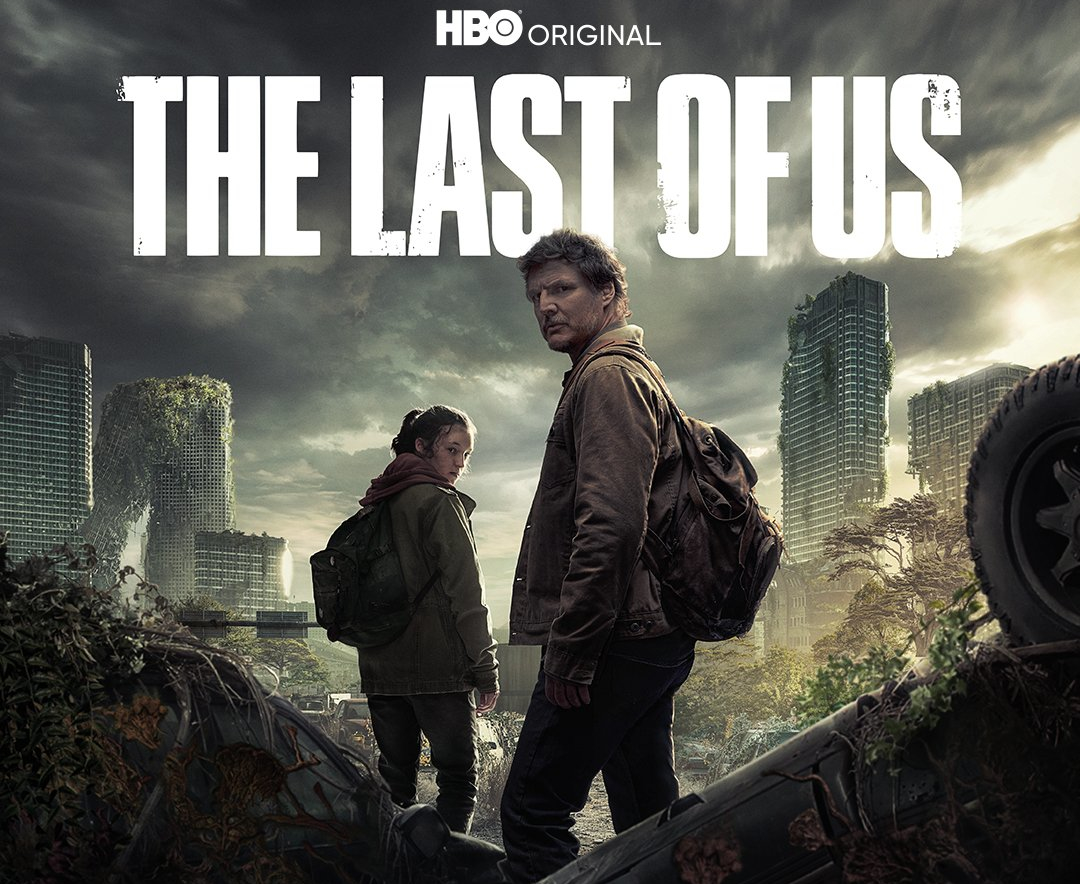
«The Last of Us» episode 01 review
The Last of Us premiered on HBO Max this week. This new TV series is an adaptation of a game of the same name developed by Naughty Dog.
2 minutes read
The YOOki Chronicles
The YOOki Chronicles is Yohan Yukiya Sese-Cuneta’s return into casual and personal blogging. The name “YOOki” is a mash-up of the acronym of YourOnly.One and my nickname ᜌᜓᜃᜒ (Yuki・雪矢).
Interestingly, according to Chinese legend,
.1柳
(YOO) is an ancient Chinese surname. The ancestors of the surname were closely linked with the ancient sage-king named Yu Shun. In Korea, the 유
(YU) lineage traces to the Xia, Han, and Joseon dynasties. Holders of the surname Yu or Yoo had a reputation for charity and diligence
It is also the word for “willow” or the “willow tree” which means graceful or slender; and a tree growing near a body of water which provide continuous nourishment and resources for everyone. It can also mean to exist, an oil (anointment(?)), and simply as “U” (you).
The Hanzi 紀
(ki) character means to record, be disciplined, provide order. While the Hangeul equivalent, 키
(ki), means energy, spirit, a banner, and a period of time; and is also a suffix used to make a gerund or an infinitive.
Social Links